UNESCO World Heritage Sites / of Croatia
What is a UNESCO World Heritage Site?
A UNESCO World Heritage Site is a place (such as a forest, mountain, lake, desert, monument, building, complex, or city) that is listed by the UNESCO as of special cultural or physical significance. The programme catalogues, names, and conserves sites of outstanding cultural or natural importance to the common heritage of humanity.
UNESCO, the United Nations Educational, Scientific and Cultural Organisation, is a specialised agency of the United Nations system. The main objective of UNESCO is to contribute to peace and security in the world by promoting collaboration among nations through education, science, culture and communication in order to further universal respect for justice and the rule of law and for the human rights and fundamental freedoms which are affirmed for the peoples of the world.

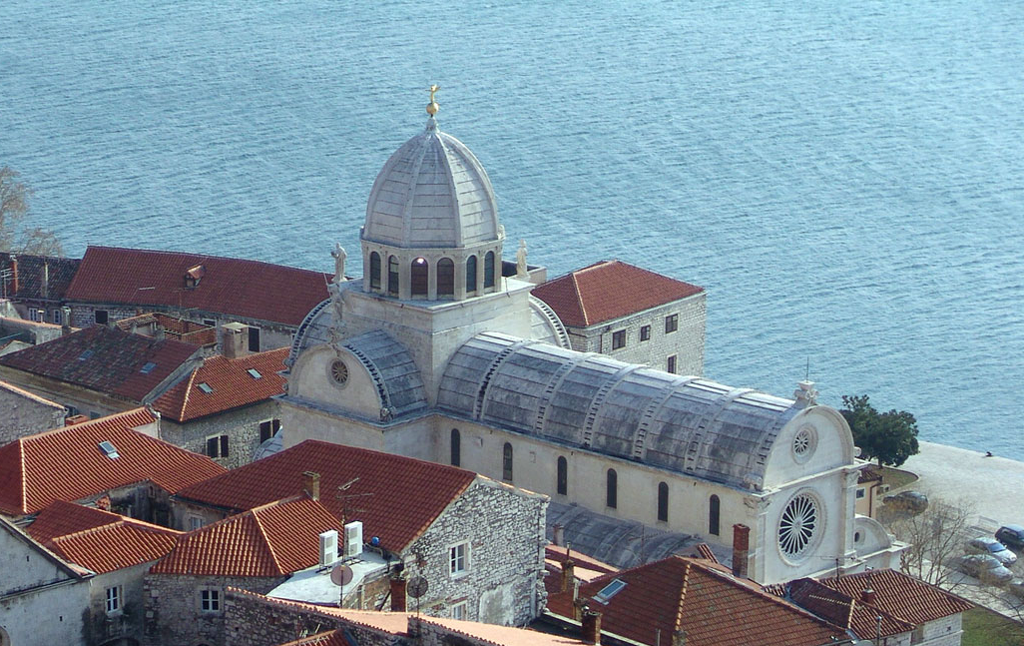
Cathedral of Saint James in Šibenik
The cathedral is a triple-nave basilica with three apses and a dome (32 m high inside) and is also one of the most important architectural monuments of the Renaissance period. It is decorated with 71 sculptured faces of men, women, and children, also illustrates the successful fusion of Gothic and Renaissance art.
Directions from Nin (~ 95 km)
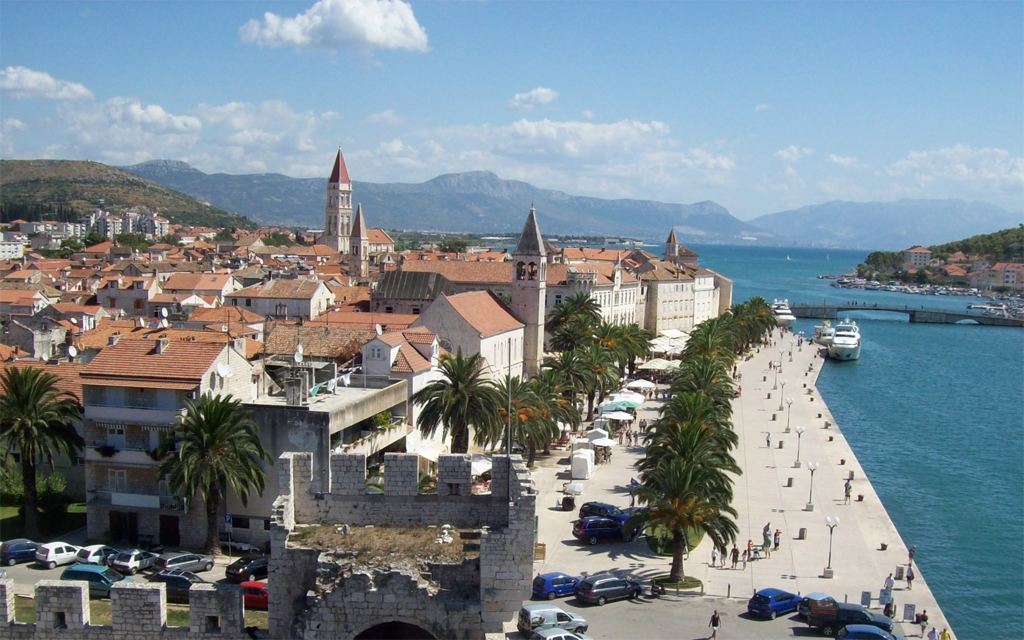
Historic city of Trogir
Trogir's rich culture was created under the influence of old Greeks, Romans, and Venetians. It is the best-preserved Romanesque-Gothic complex not only in the Adriatic, but in all of Central Europe. Trogir's medieval core is surrounded by walls, including a preserved castle and tower.
Directions from Nin (~ 130 km)
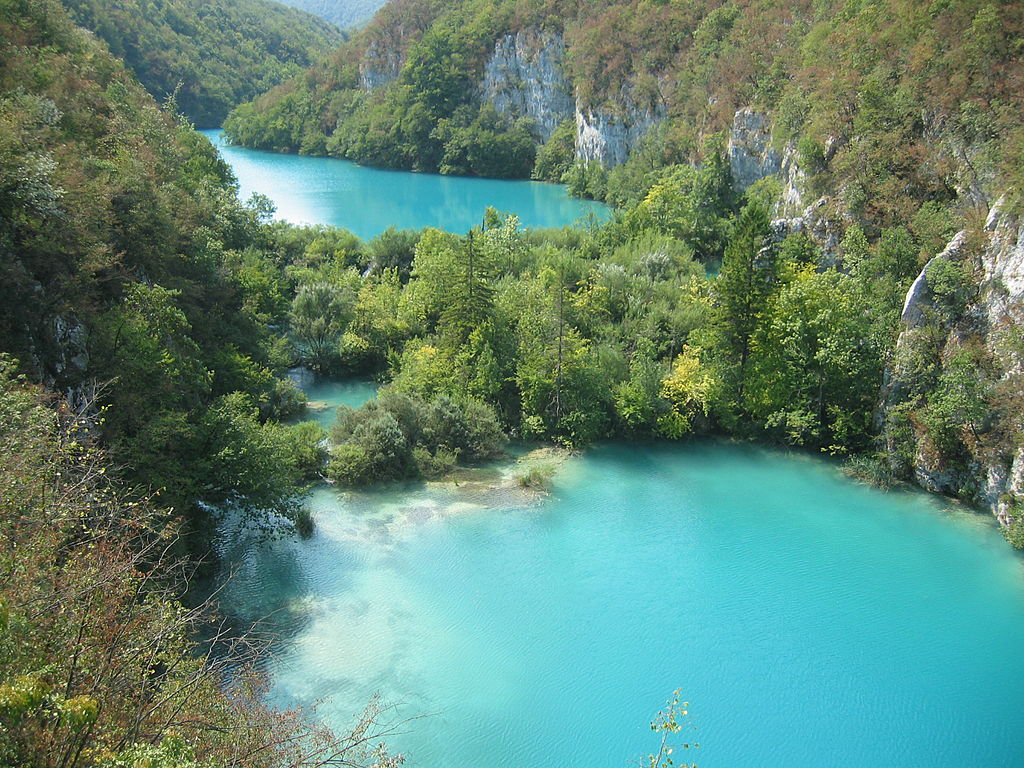
Plitvice Lakes National Park
Over time, water has flown between these interconnected lakes, over the natural limestone and chalk, creating natural dams which in turn have created a series of connecting lakes, waterfalls and caves. The nearby forests are home to bears, wolves and many rare bird species.
Directions from Nin (~ 160 km)
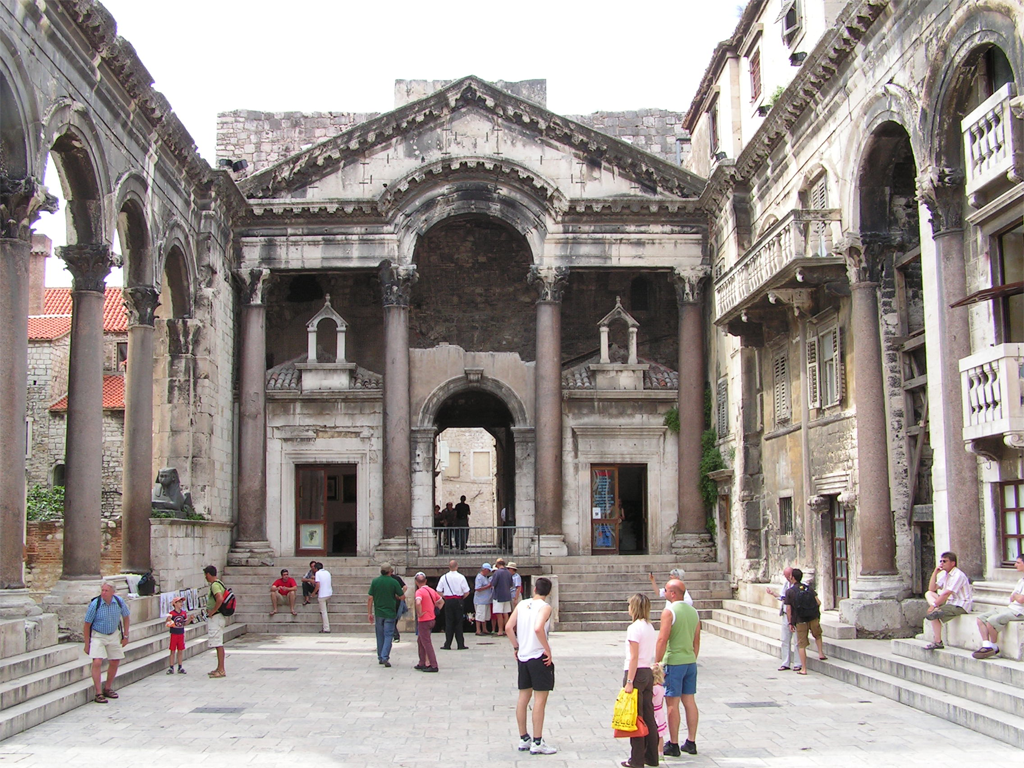
Historical Complex of Diocletian's Palace in Split
The palace was built by the Roman emperor Diocletian at the turn of the fourth century AD, and later served as the basis of the city of Split. A cathedral was built in the Middle Ages inside the ancient mausoleum, along with churches, fortifications, Gothic and Renaissance palaces.
Directions from Nin (~ 170 km)
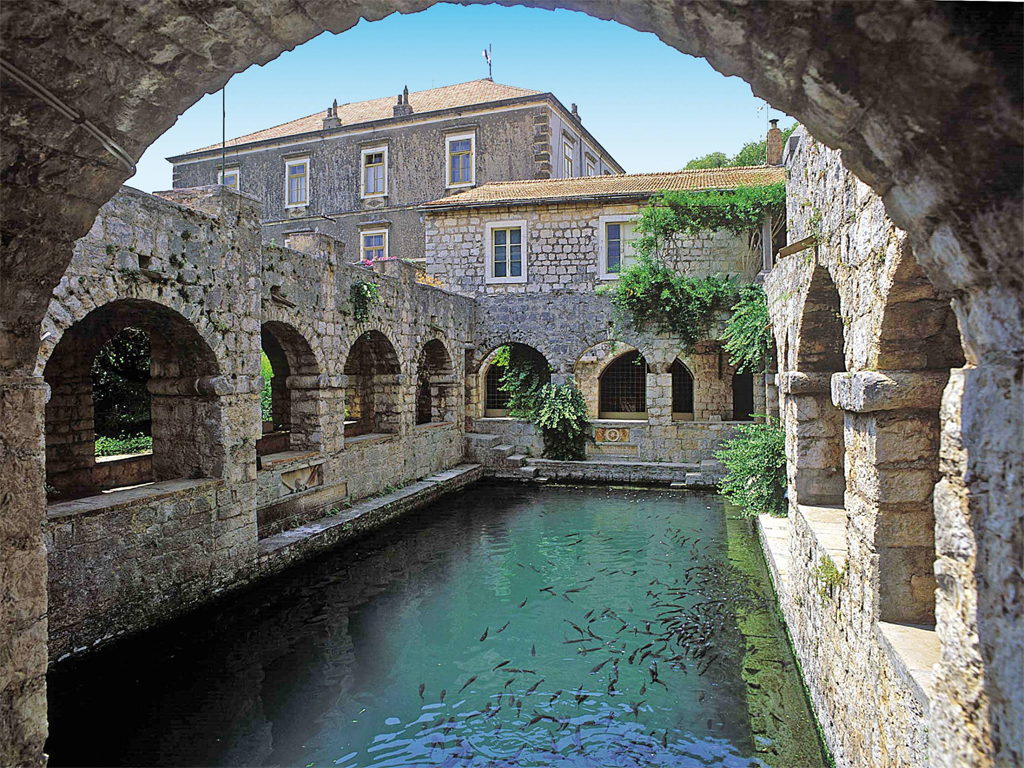
Stari Grad Plain
Stari Grad Plain on the Adriatic island of Hvar is a cultural landscape that has remained practically intact since it was first colonized by Ionian Greeks in 4th century BC. The original agricultural activity of this fertile plain, mainly centring on grapes and olives, has been maintained since Greek times to the present.
Directions from Nin (~ 215 km)

Episcopal Complex of Poreč
The episcopal complex, with its striking mosaics dating back to the 6th century, is one of the best examples of early Byzantine art and architecture in the Mediterranean region and the world. It includes the basilica itself, a sacristy, a baptistery and the bell tower of the nearby archbishop's palace.
Directions from Nin (~ 340 km)
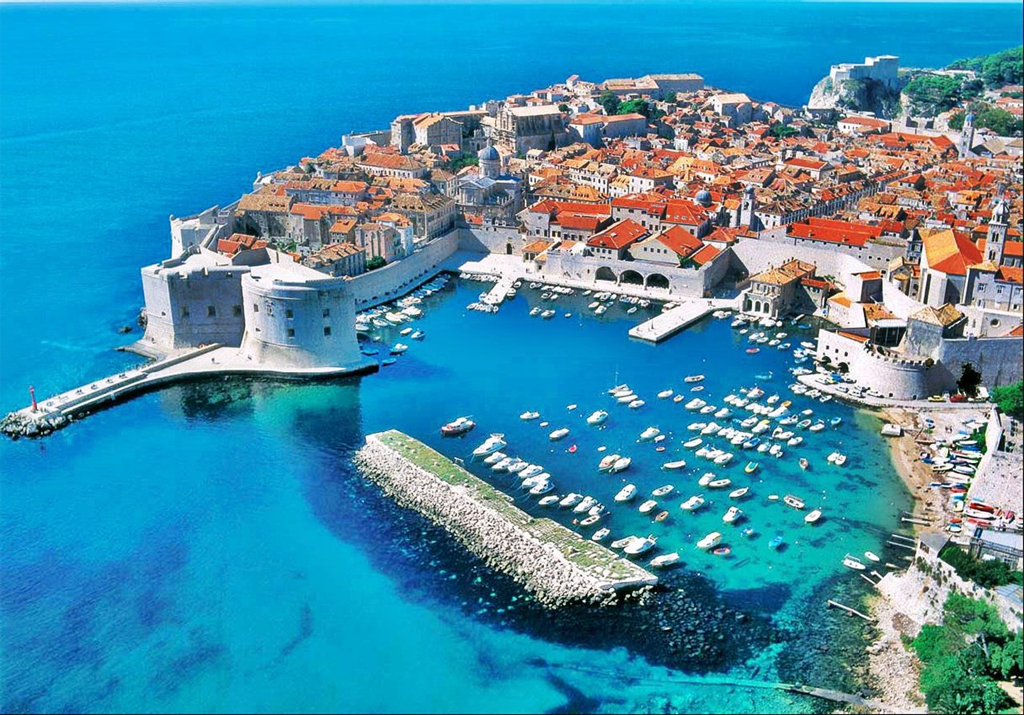
Old City of Dubrovnik
Dubrovnik became a prosperous Maritime Republic during the Middle Ages, it became the only eastern Adriatic city-state to rival Venice. Supported by its wealth and skilled diplomacy, the city achieved a remarkable level of development, particularly during the 15th and 16th centuries.
Directions from Nin (~ 350 km)